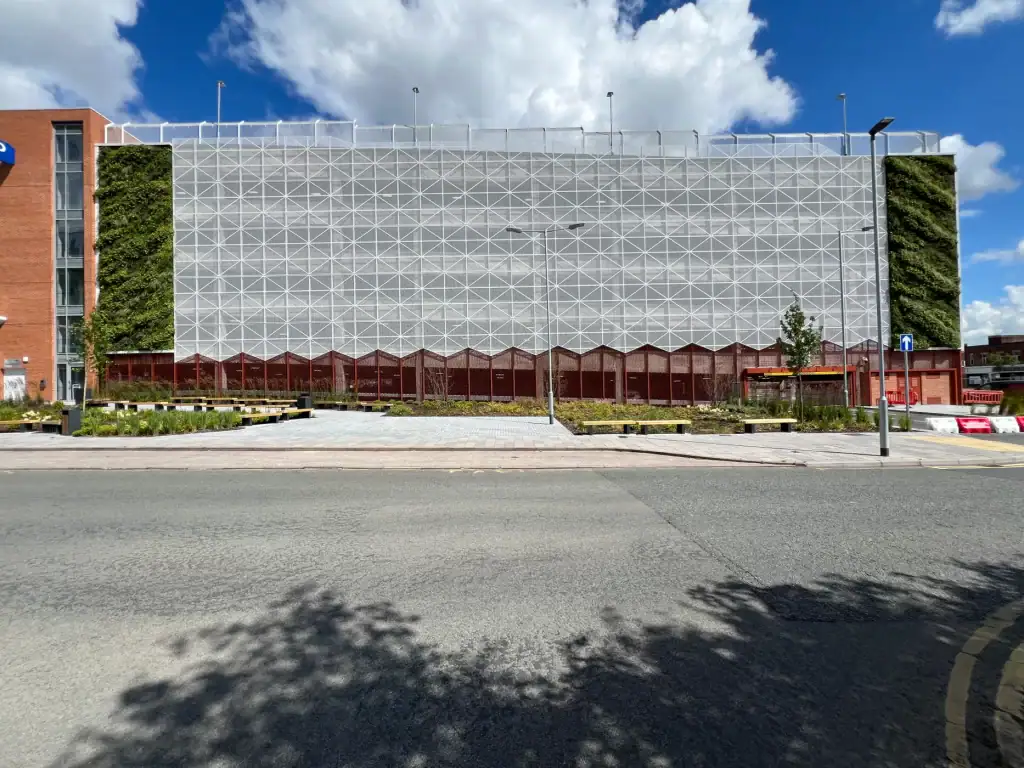
data centres
Digital growth, AI and the internet have all fuelled the rapid need for more Data Centres, both new build and the repurposing of existing building stock.
However their development is subject to strict environmental guidelines and scrutiny.

Environmental Hurdles
They may disrupt natural wildlife habitats and ecosystems and being so vast means they consume a huge amount of power and energy too which can lead to a significant carbon footprint being made.
They may also consume a high volume of water especially when water based cooling systems are implemented to dispel heat generated by the electrical equipment and frameworks.
Furthermore, such cooling systems may also cause noise pollution.
Providing Clarity
It’s purpose being to set a mandatory standard which all companies must adhere to for reporting the environmental and climatic impact their development will have.
Green Criteria for Data Centres
The UGF tool is primarily adopted by local authorities and is used to enhance a development project by making sure various forms of green infrastructure are added. These are specifically targeted to improve local air quality, flood risk management, create ecosystems and ensure visual appeal.
The BNG policy, which is mandatory under Schedule 7A of the Town and Country Planning Act 1990, is part of a new planning policy where new developments have to create a 10% uplift in biodiversity on their site, marking an exciting shift towards nature being incorporated within the projects design
With a metric scoring system grading the creation of new wildlife habitats, increase in species, community impact and green space creation.
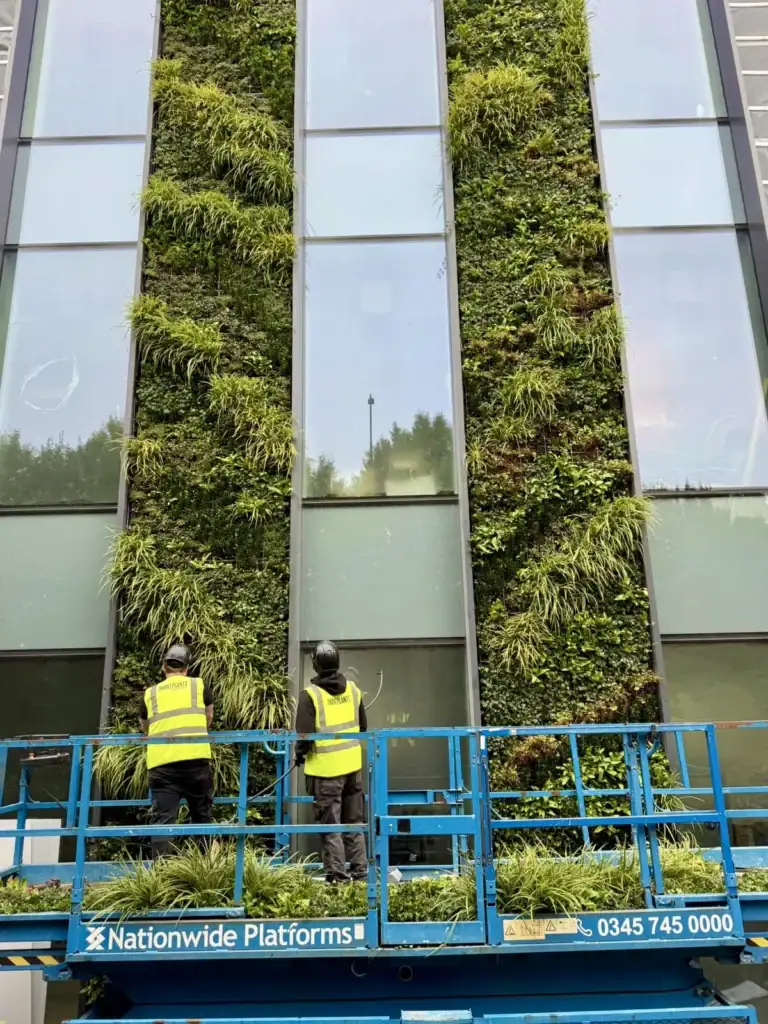
HYVERT - A Unique Green Solution
The software is being created during our second Knowledge Transfer Partnership with Manchester Metropolitan University and it enables our design and consultancy team to provide clients with accurate sustainability data on HYVERT’s environmental performance.
instant impact
HYVERT is especially useful in creating onsite BNG gains as typically industrial sites earmarked for development contain industrial chemicals in the soil making it difficult to add healthy green spaces around the site.
Additionally HYVERT living walls are widely recognised for their capabilities to assist with air filtration and carbon capture. It can reduce the external heat load on a data centre’s building envelope, by using a unique combination of plants and module design to reflect sunlight whilst also absorbing the heat, this works especially well on the sun-facing side of the data centre.
Recirculation
HYVERT Rainwater Recycling systems help manage the building surface water allowing the living wall to be fed using rain water which in turn provides utility savings and achieves storm water attenuation, meaning the flood risks are reduced by collecting and slowing down rainwater travelling into surface level drains.
Noise Abatement
HYVERT living walls have been scientifically proven to reduce noise abatement by an average of 9.3db making them a very effective tool in data centre design.
Ground-breaking
A unique technical capability not found in other living wall systems
Contact our team today for a consultation.