the scientific benefits of hyvert.ai


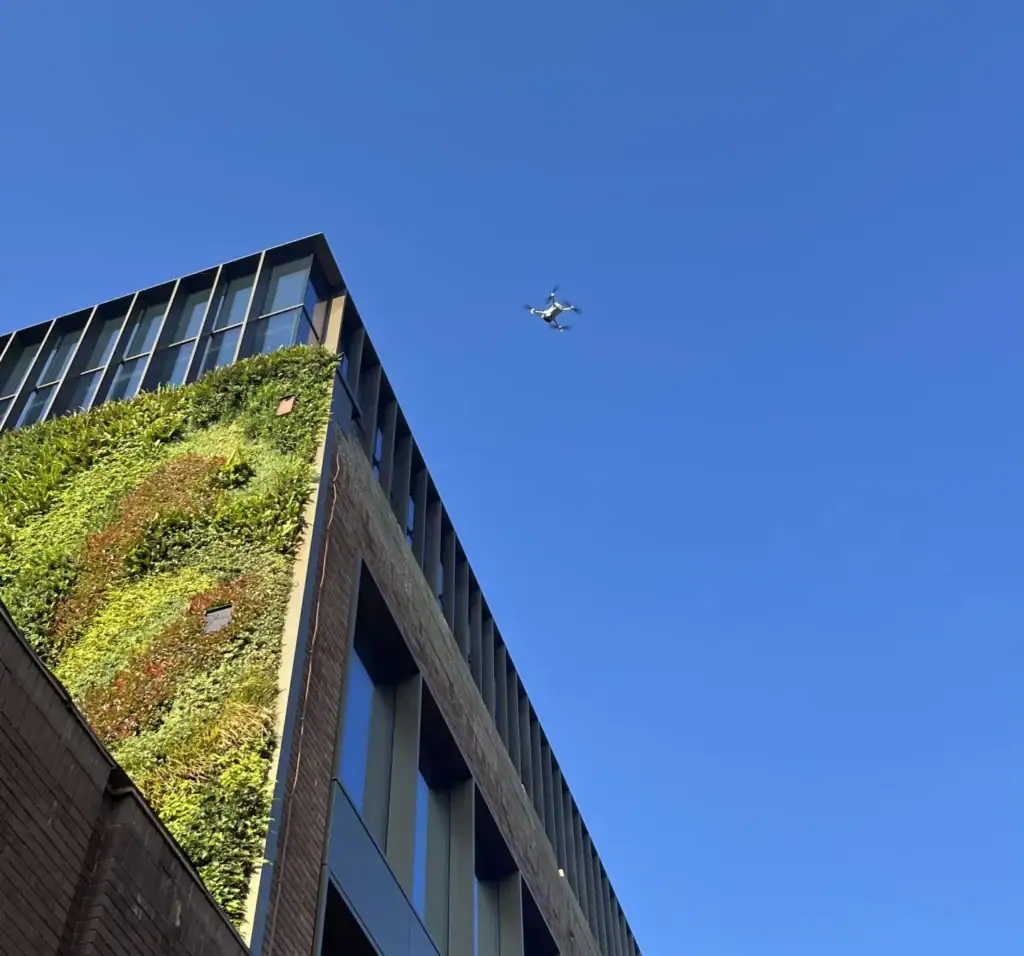
HYVERT Foundation drone flying

Have you ever seen anything like this?

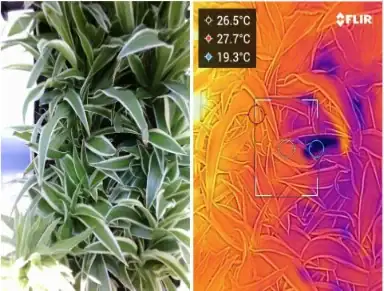
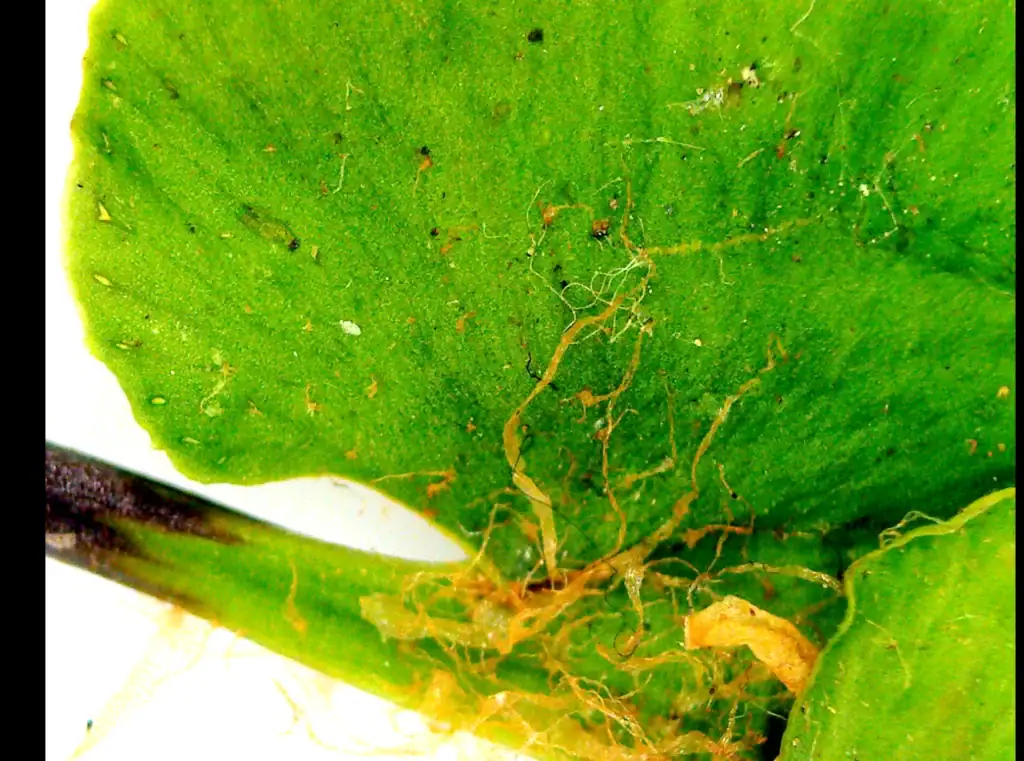
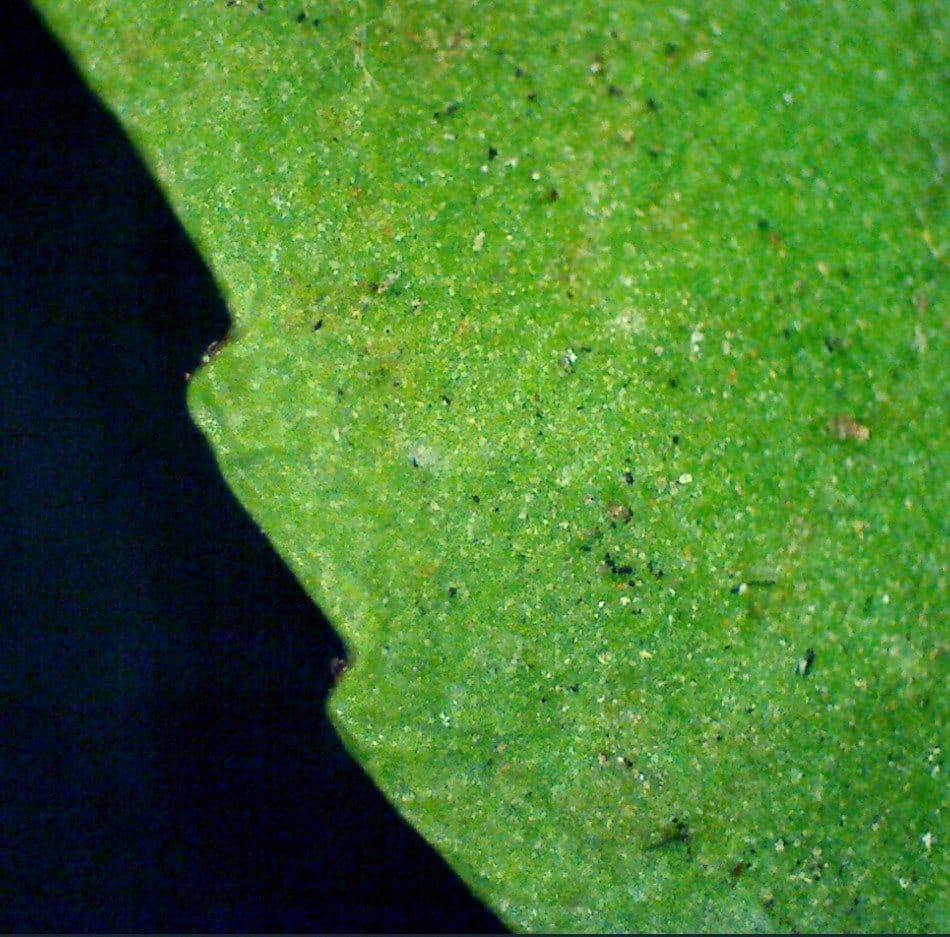
Scroll down a little further and watch HYVERT.AI making 1000 decisions a second; identifying species and their current health status to ensure the future success of the living facade.

Living walls but not as you know it.

award winning research

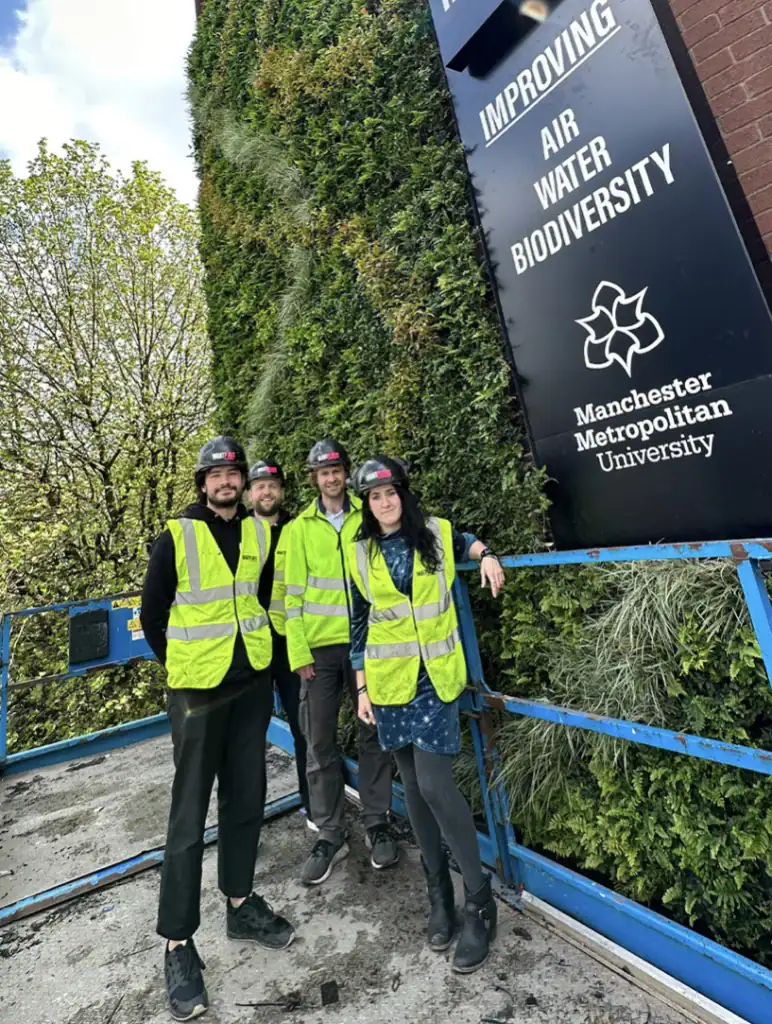
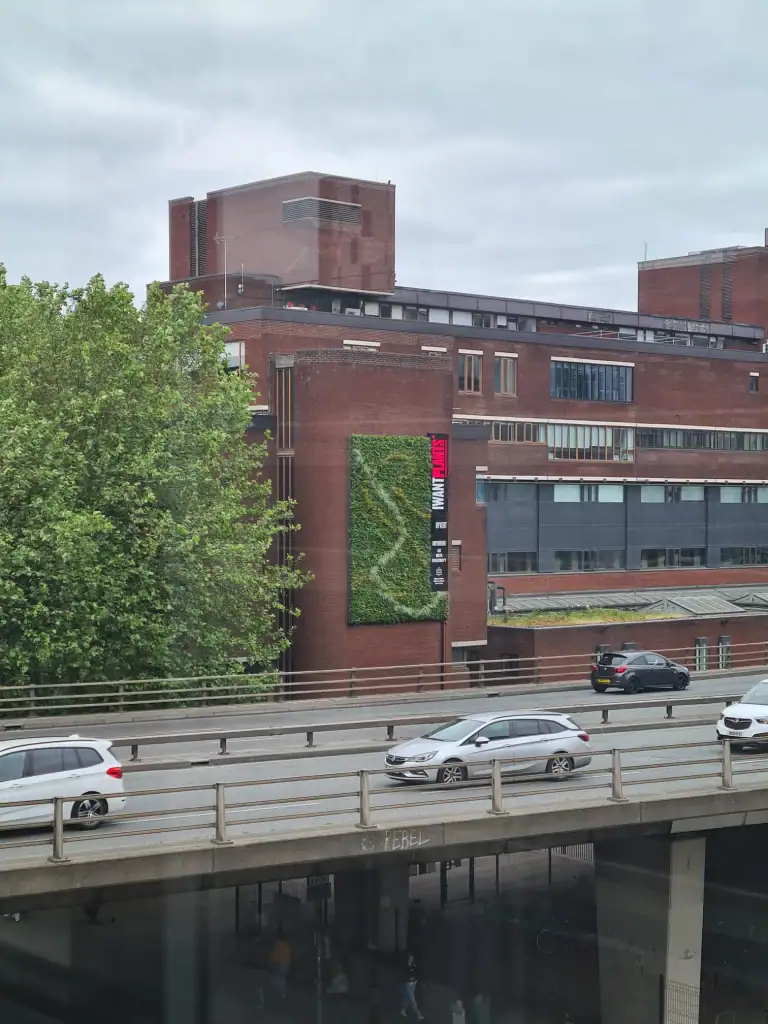
Manchester Metropolitan University has received awards at the Innovate UK KTP Awards. The University won the award for Best Knowledge Transfer Partnership in collaboration with I Want Plants Hyvert.ai living wall system

The Best KTP award with I Want Plants was described as a ‘highly impactful project.’ Supported by Emma Mawby, KTP Business Support Manager at Manchester Met, this partnership combined industry innovation and applied academic research to prove that living green walls can effectively improve mental health, provide sound insulation, and accelerate business growth.

Regarding their recognition for Best KTP, Richard Rowlands, Manager Director of I Want Plants said:

“We are absolutely delighted that our Knowledge Transfer Partnership (KTP) with Manchester Metropolitan University has received this ‘Best KTP’ accolade from Innovate UK.
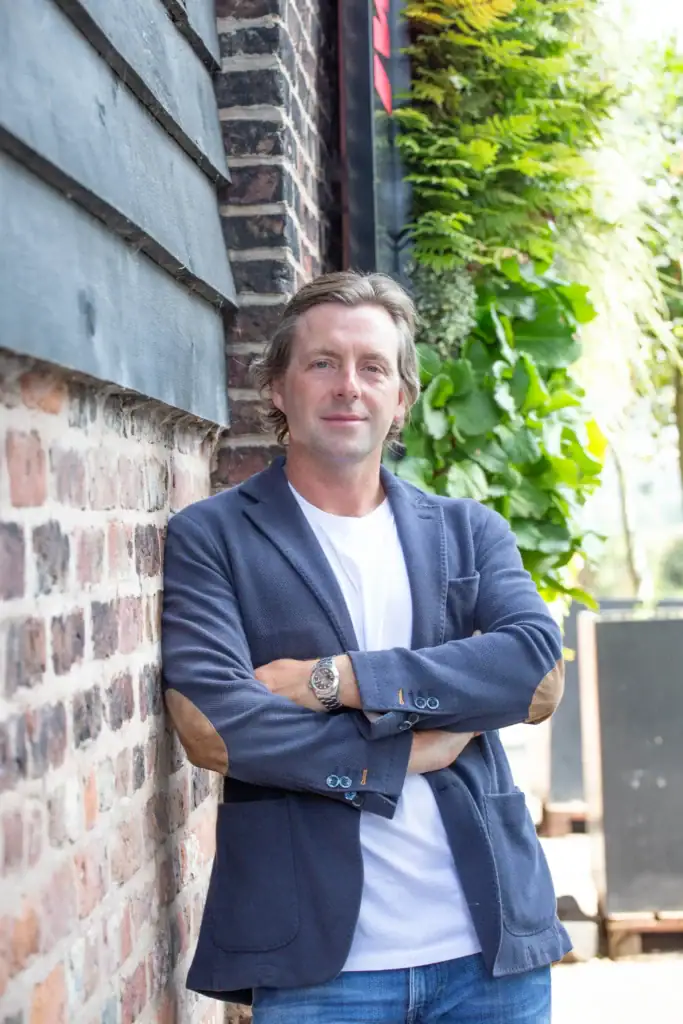
Richard Rowlands

Managing Director

impartial

this means the science behind HYVERT.AI is validated by leading academics from manchester metropolitan university and research partners across the north west; including university of manchester, university of salford and university of cumbria, enabling clients to be confident in the quality of data collection, analysis and reporting.

we are the only living wall manufacturer to have taken this quantitative route to understanding the environmental and ecological benefits of living green infrastructure; and our award winning knowledge transfer partnership (KTP) builds upon our unique industry knowledge to offer new levels of sustainability understanding and insights which solidify our position as an innovative market leader.

MMU Awards

£860K

research & development Investment

5

living lab sites

14

academics working on projects

1/ reducing air pollution

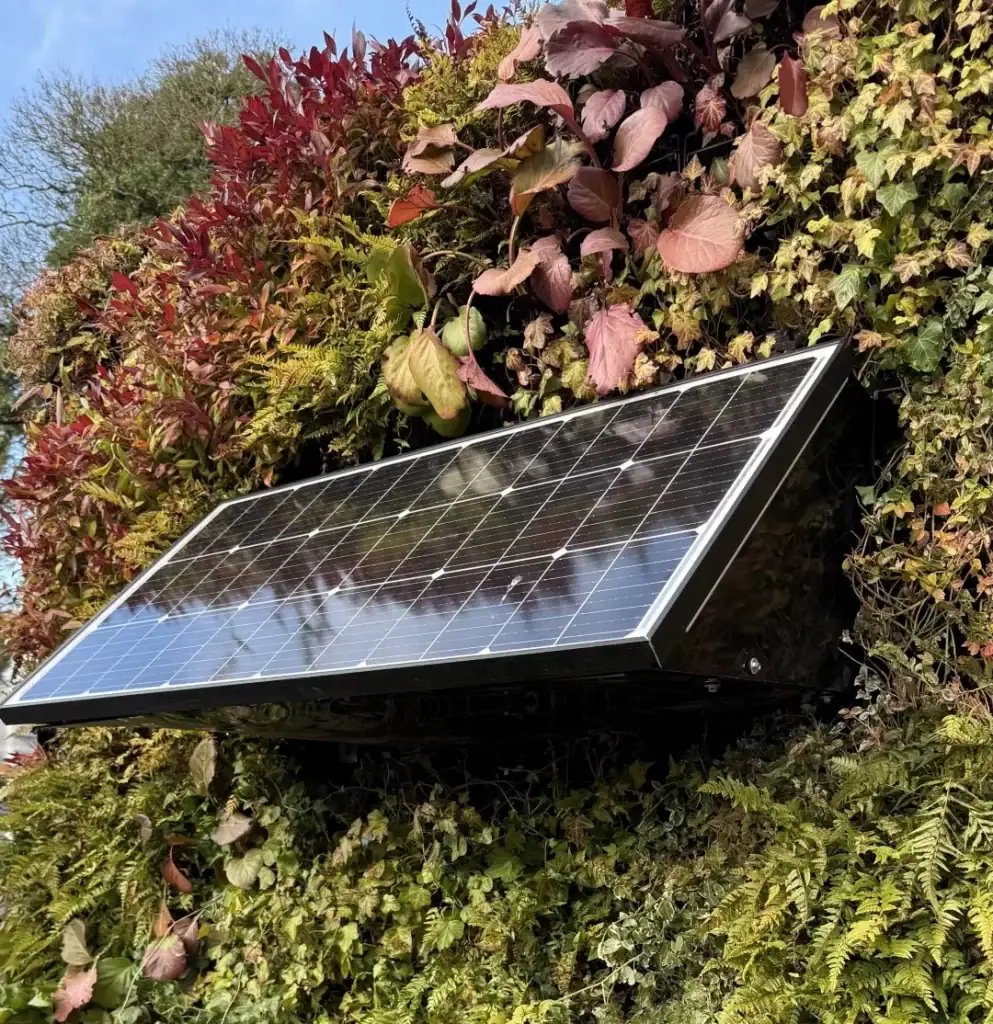
embedded sensors in the living wall are measuring the amount of pollution accumulating within the living wall’s foliage, this is so we can quantify how the plants
collect and absorb harmful atmospheric pollutants such as fine particulate matter (pm2.5 & pm10) and nitrogen oxides (nox & no2).

collaboration with: department of natural science (environment)

2/ improving biodiversity

hyvert.ai living walls provide resources for an estimated 125 Invertebrate species. They can provide a habitat and act as a food source for a range of species across the food web, such as urban bats and birds. We are experimenting on how to create the ideal habitat for native plants and animals to further increase biodiversity.

collaboration with: departments of natural science (ecology)

3/ noise abatement

hyvertai living walls are able to dampen up to 9.3 db of sound on average when fixed to a wall helping the occupants inside experience a quieter space, the living walls work best at dampening sound frequencies between 2.5 - 7 kHz.

collaboration with: school of digital arts mmu & the warehouse project

Noise Abatement Experiment - Warehouse Project, Manchester - 11.11.22

4/ ethical manufacturing

the plants are grown locally (>14 km) and contained in a uk registered patent pending module manufactured locally in manchester (>24 km) using recycled plastics. life cycle analysis of the hyvert .aisystem was conducted to evaluate the embodied and operational CC emissions of the product.

collaboration with: departments of natural science

5/ water reduction

hyvert.ai living walls can be offered with a unique rainwater recirculation systems developed by iwp & mmu. This means we can contribute to local authority integrated water management plans, by contributing to water overflow reductions, support an increase in flood resilience and reduce the life cycle emissions of the living wall by 2.23% (subject to size)

collaboration with: departments of natural science, engineering, and building & estates

6/ water quality management

our hyvert living wall is capable of measuring how the plants can suspend, absorb and metabolise the nutrients and contaminants which occur in rain and wastewater which are then recirculated within the living wall. e.g. Our 'living lab' hyvert at mmu proved it's capacity to help treat over >40,000L of rainwater per year.

collaboration with: departments of natural science (environment)

7/ psychological health and wellbeing

the psychological benefits of viewing plants showed an improvement in employees’ wellbeing and attention. Furthermore, indoor plants can contribute towards increasing the indoor health and wellbeing metrics required for building breeam score ratings and augment the benefits of natural lights and quiet working spaces to support employees’ wellbeing, productivity and creativity.

collaborations : department of natural science

8/ energy performance

the plants and soil combine to make a unique insulation material when added to the building, which retains heat inside during the winter and minimises excess heat entering in summer. this means less energy is used by the building to maintain comfortable temperatures and is estimated to reduce CO2 emissions by 17.4 kg/CO2/m2 per year and creates thermal energy savings of 37 kWh/m² per year.

Collaborations : Department of Natural Science
x Close

we work with architects, interior designers, hospitality, commercial developers, workspace providers and more

This field is for validation purposes and should be left unchanged.
Scroll Prev Next